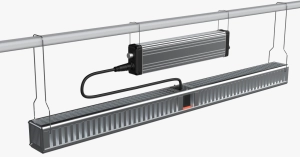
Indoor LED Grow Lights for Plants: The Ultimate Solution for Thriving Indoor Gardens
How To Choose Right LED Grow Lights for Crops?
When choosing indoor LED grow lights for plants, understanding the different types and their ideal plant matches is key to success.
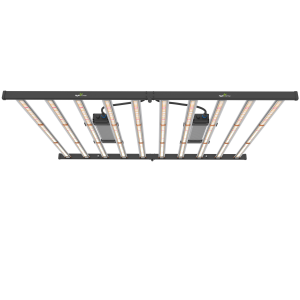
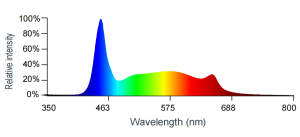
Full-spectrum LED grow lights are the most popular choice, offering a balanced mix of blue, red, and other wavelengths that mimic sunlight—perfect for versatile indoor gardens. For indoor Cannabis cultivation, 650W-1500W foldable LED grow lights are perfect, they offer Gavita 1930E Spectrum or a customized spectrum. With CEA equipment ( such as controllers, HVAC devices), it offers a photoperiod with 16 hours of lights on, 8 hours completely dark.
Users can also use Under Canopy LED grow lights in combination, fill the Red and Blue lights from the ground.
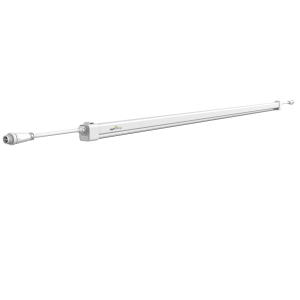
T5 T8 tube LED grow lights are ideal for leafy greens like lettuce, spinach, and kale, as well as common houseplants, ensuring lush foliage and steady growth.
For plants that prioritize flowering or fruiting, red-blue spectrum LED lights are a game-changer: the red light boosts bloom production and fruit development, while blue light strengthens stems and foliage. This makes them ideal for high-value crops like saffron (which requires intense red light for stigma formation), premium fruits (strawberries, raspberries, citrus), and medicinal plants (cannabis, mint, echinacea) that depend on robust flowering for potency.
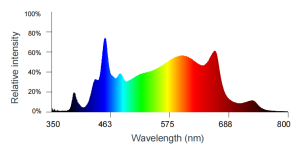
In precision agriculture and commercial greenhouse settings, top lighting are preferred for their uniform light distribution and high PAR (Photosynthetically Active Radiation) output, supporting large-scale cultivation of microgreens, exotic flowers, and specialty herbs with consistent quality.